
· For Parents
Is It Safe to Send My Teenager to Ireland Alone? A Parent's Honest Answer
Ireland is one of Europe's safest countries, but the program matters more. Nine safety questions to ask, and how ILE supervises teens 7:1 for 25 days.
Read more· ILE Alumni Counselor · 5 min read
I did the Irish Life Experience the summer after ninth grade, knowing nobody, and I've gone back three times since as a counselor. So here is the version of "what's it like" I wish someone had given me at 15: the honest answers to whether you'll make friends, whether it's boring, what you actually do all day, and what the food situation is. ILE is 25 days — June 28 to July 23, 2027 — across Waterford, Killarney, Galway, and Dublin, with 30 to 60 students ages 14–18. That's the brochure version. This is the rest.
Grab the ILE packing list (the real one, with the stuff the handbook forgets).
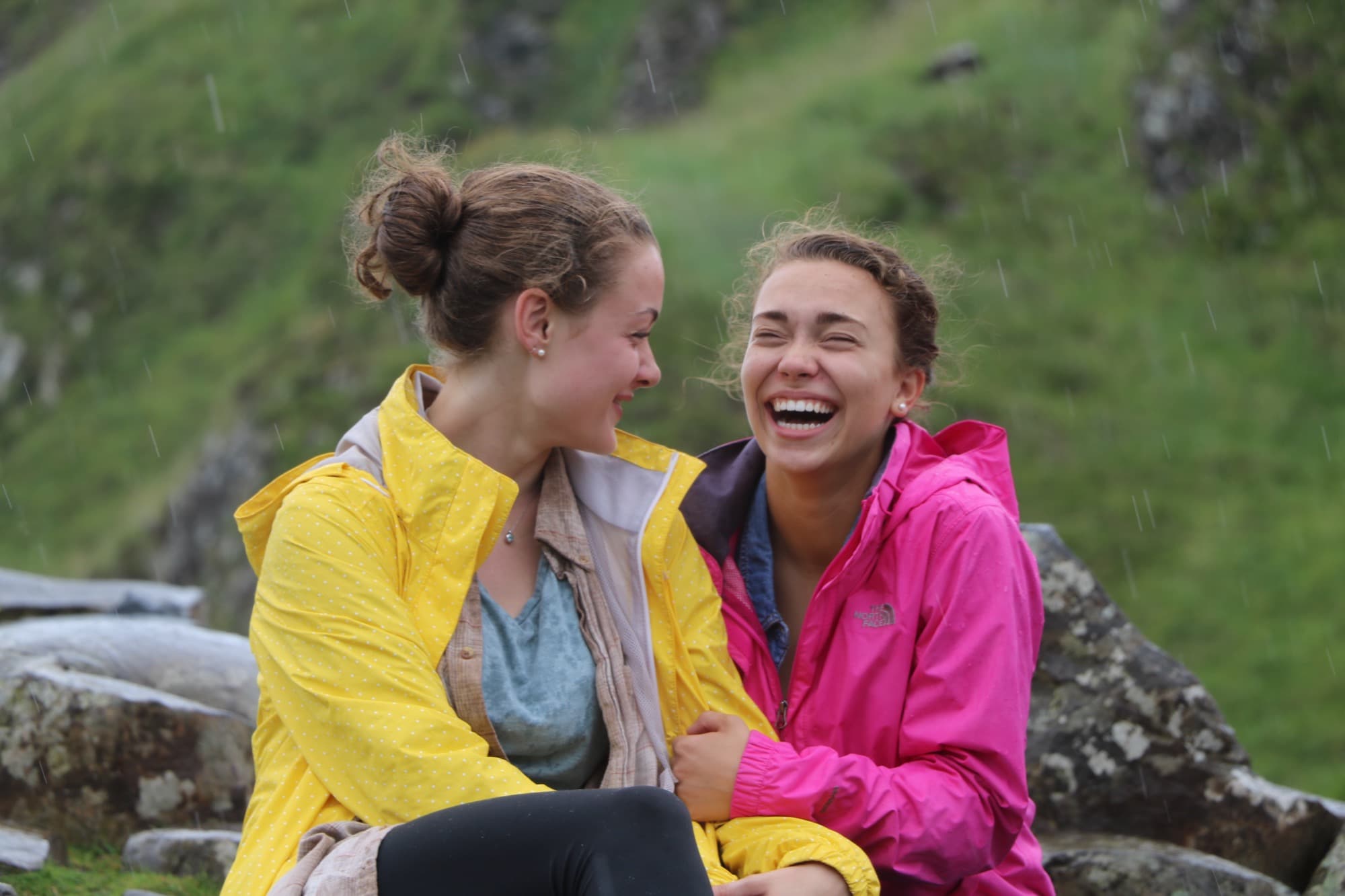
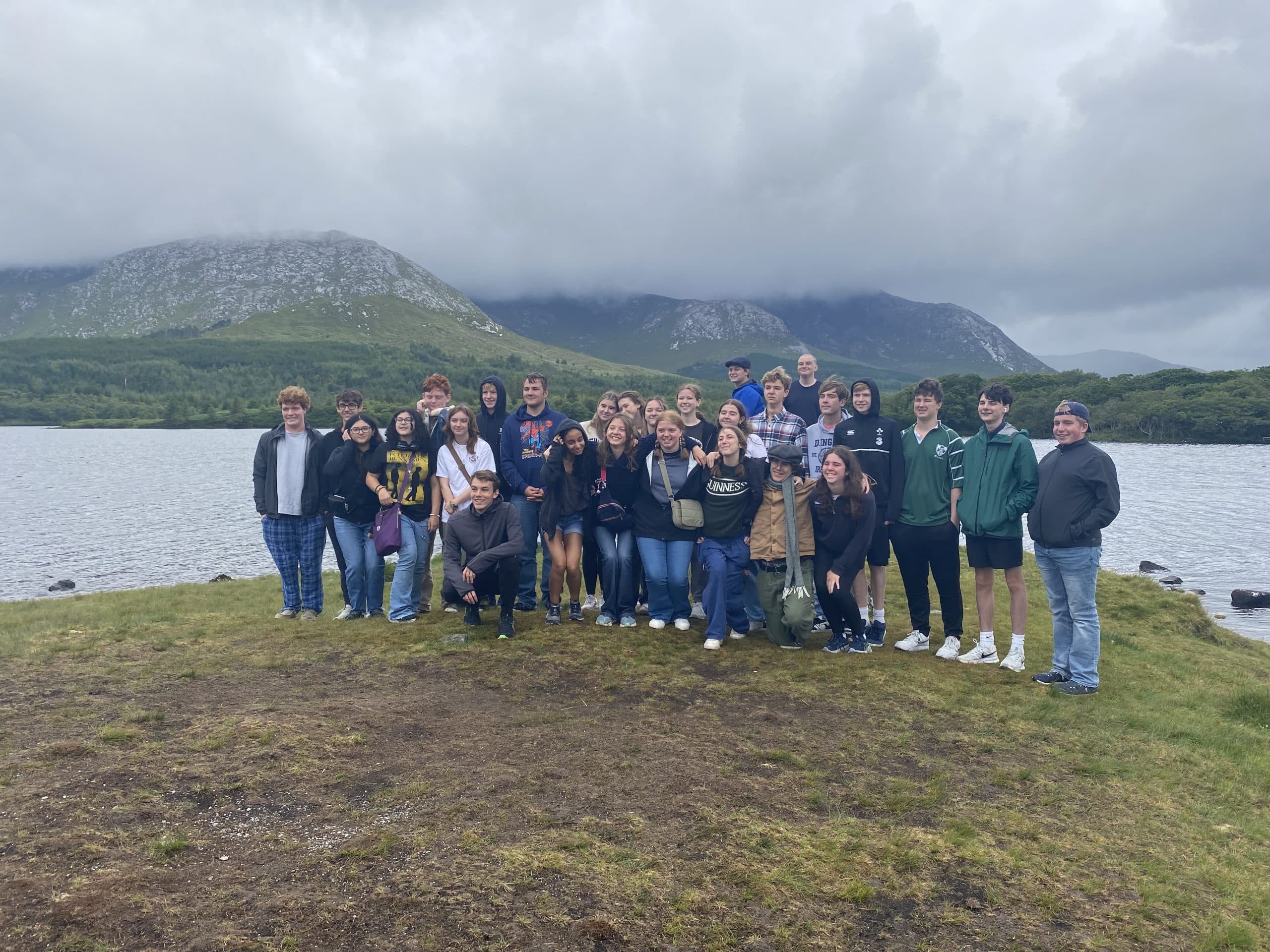
Download the packing list →Almost everyone shows up alone. There's a group chat before you leave, so you'll recognize a few names at Logan, and by the time you land in Ireland you'll have a roommate and a seatmate. By Waterford you'll have a group. By Galway you'll have the people you'll still be texting in college. I'm not exaggerating; the friends I made that summer are the ones I still see.
The program is built for this. Roommates are assigned. Classes are small. Tours mean sitting on a coach for hours with the same people. Nobody stays a stranger for 25 days.
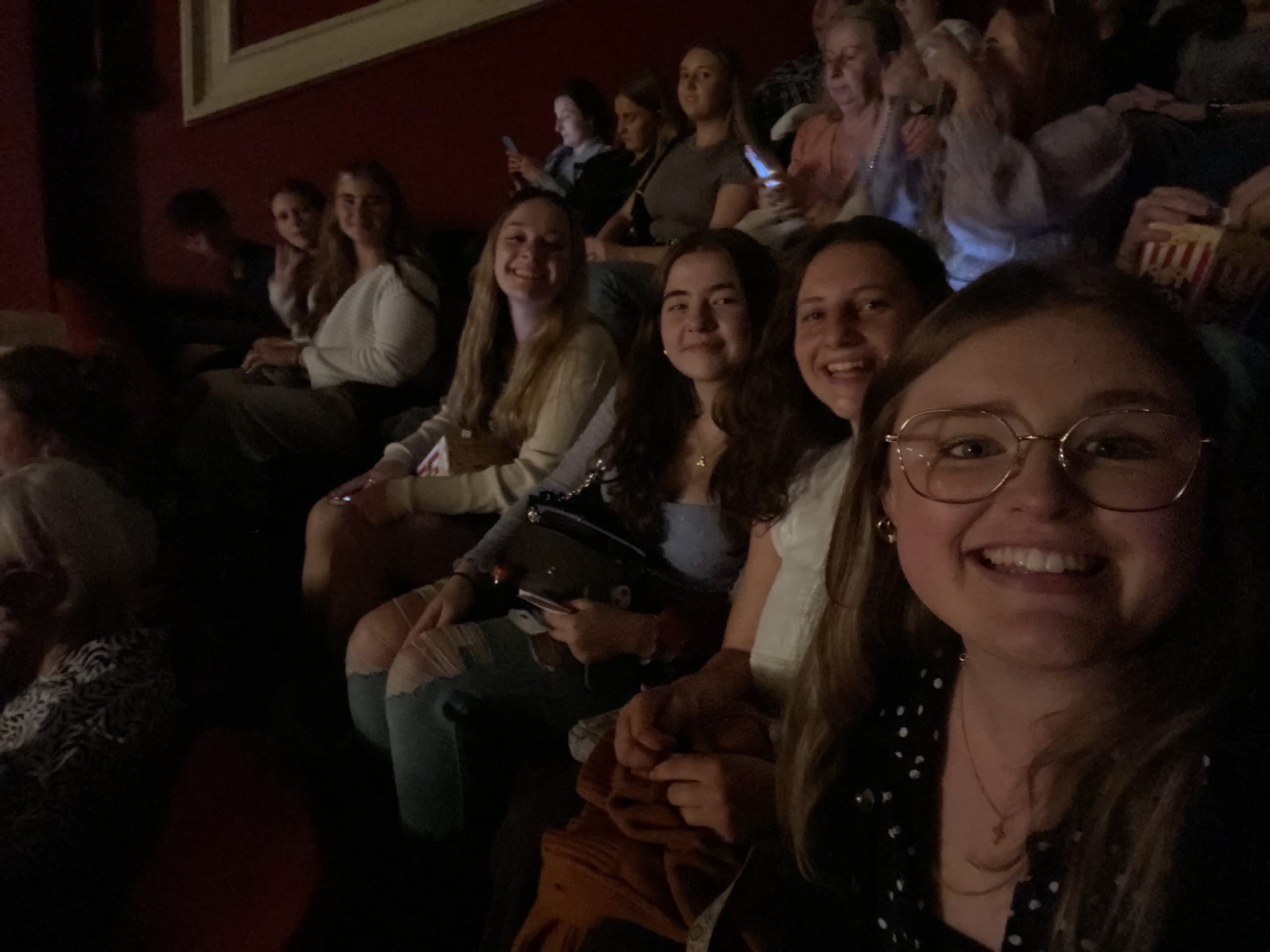
Morning: breakfast, then class. Irish language (you will learn to say more than "sláinte"), Irish history, Irish-American history, literature, dance, or drama. Classes are graded — attendance, participation, a drama presentation, three workshops — but they are not school. One of our teachers is an All-Ireland-winning piper. The dance teacher will have the entire group doing a céilí by day three whether you planned to or not.
Afternoon: a tour, or a workshop, or free time in town in groups. The workshops are the thing nobody expects to like and everyone does: hurling with actual hurleys from Peter Flanagan's workshop in Waterford, Gaelic football, a music session.
Evening: dinner together, then free time on campus until 10:45 p.m. in rooms, 11 p.m. lights out. There's a staff member awake all night. Yes, there's a bed check. No, it is not a big deal.
Full tour days: these are the days that make the trip. You leave early on the coach and get back late, and you see a lot.
Croke Park. You learn hurling in a workshop first — it is fast and it hurts and it is the most fun you'll have with a stick. Then you go to a live match at Croke Park with 80,000 people, and you understand why the Irish care about it. Six different students have written diaries about this day; read them.
The Aran Islands. A ferry to Inis Mór, bikes, Dún Aonghasa on a cliff edge, and the first time you say something in Irish to someone whose first language it is and they understand you. Diaries here.
Cliffs of Moher. 700 feet straight down into the Atlantic. Everyone's phone photo looks the same and nobody cares.
Giant's Causeway and Carrick-a-Rede. Up north, over the border, basalt columns and a rope bridge over the sea. You can see Scotland on a clear day.
Galway. This is the week you and your roommates get a food budget, go to the supermarket, and cook. It sounds minor. It is the week most people grow up a little.
The last night in Dublin. I won't describe it. Ask an alum.
The full list is 40+ stops across 12 counties — Blarney, Kilmainham Gaol, the Book of Kells, Titanic Belfast, Kylemore Abbey, Dingle, the Ring of Kerry, Newgrange, Glendalough — on the Tours page.
Convincing your parents? Send them the Parent's Guide — it answers the safety and cost questions so you don't have to.
Send the Parent's Guide →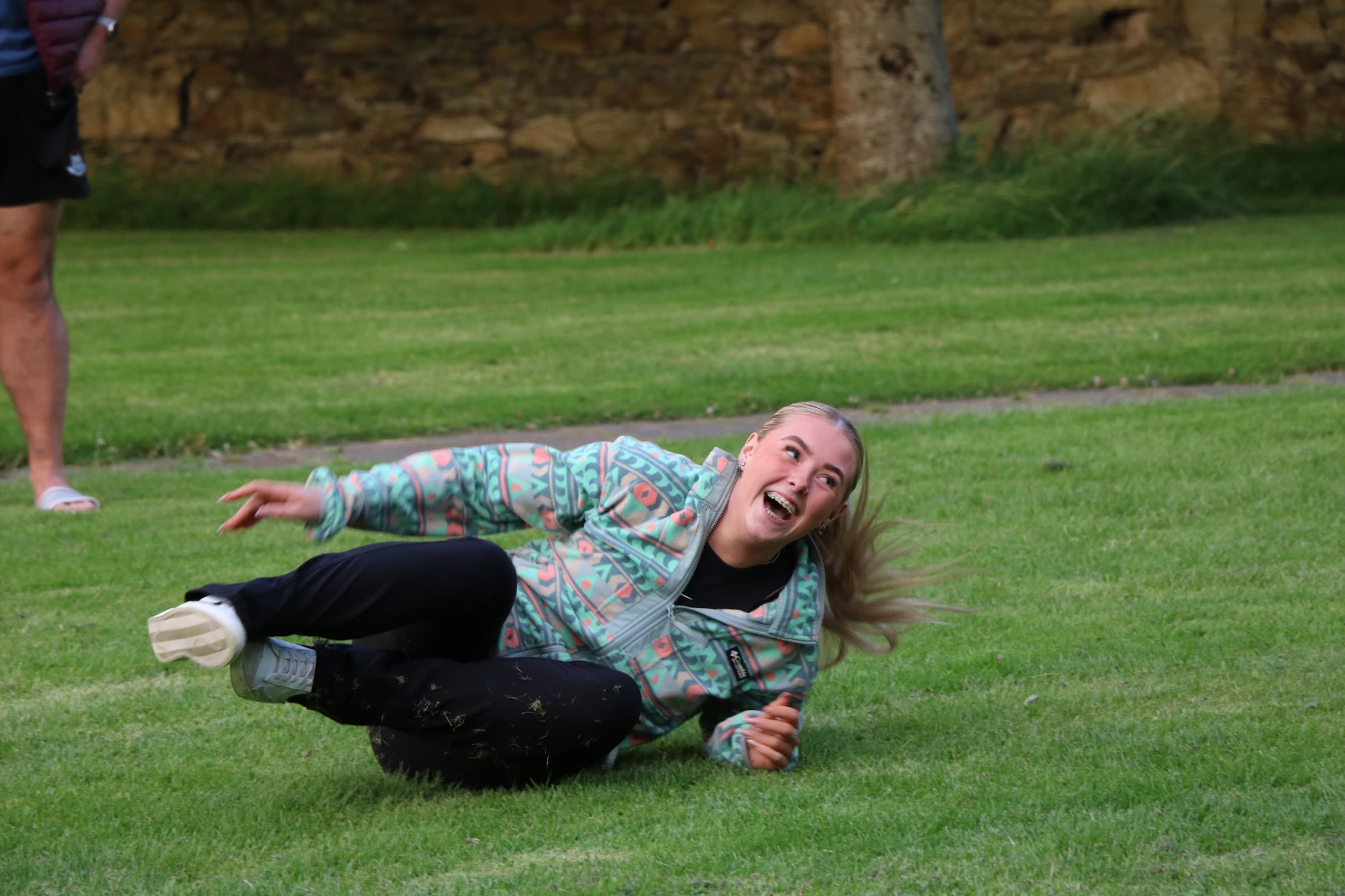
The food in Waterford and Dublin is boarding-school food. It's fine. Bring snacks, and tell your parents care packages are allowed. Galway and Killarney you cook, which is better and worse depending on your roommates.
You will be tired. The schedule is full and it stays light until 10:30 p.m. The curfew exists for a reason.
Your phone will be mostly useless. Wi-Fi on campus and in cafés, not much in between. Honestly, this ends up being a good thing. You'll take pictures and not post them until Dublin.
It rains. Not all day, not every day, but yes. A real rain jacket, not a hoodie. It's on the packing list.
Homesick happens around day five. For almost everyone. It's gone by day eight. The counselors know; most of us had it too.
A hurley. A better accent than you think. Thirty people's numbers. A grade and a syllabus your school might take for credit. And the thing that's hard to explain, which is that you did 25 days in another country without your parents and were completely fine, and now you know that about yourself.
Then you come home and it's weird for a week. We wrote about that too: I'm Home… Now What?
Will I make friends on a summer program if I don't know anyone? Yes. Nearly every ILE student arrives alone. Assigned roommates, small classes, and long coach days mean most students have a close group within the first week.
Is a summer study abroad program boring? Not ILE. Twenty-five days include 40+ tours across 12 counties, daily classes in Irish language, history, dance, and drama, sports workshops, and a live GAA match at Croke Park.
What is the food like on a summer program in Ireland? Campus meals in Waterford and Dublin are plain but filling. In Killarney and Galway, students get a food allowance and cook with roommates. Dietary needs are accommodated.
Do I need a phone plan in Ireland? No. Wi-Fi on campus and in cafés is enough. Some students buy an eSIM for data; most don't bother.
Can I bring a friend? Yes, but most students come alone and leave with lifelong friends either way.
How old do you have to be? 14 to 18 — from the summer after eighth grade through the summer after graduating high school.
Summer 2027 is June 28 – July 23. The application needs a teacher and a counselor recommendation, so start before winter break.
Apply for Summer 2027 →Planning a summer in Ireland for your teen? Start with A Parent's Guide to Summer Programs in Ireland for High School Students.
Ireland is one of Europe's safest countries, but the program matters more. Nine safety questions to ask, and how ILE supervises teens 7:1 for 25 days.
Read more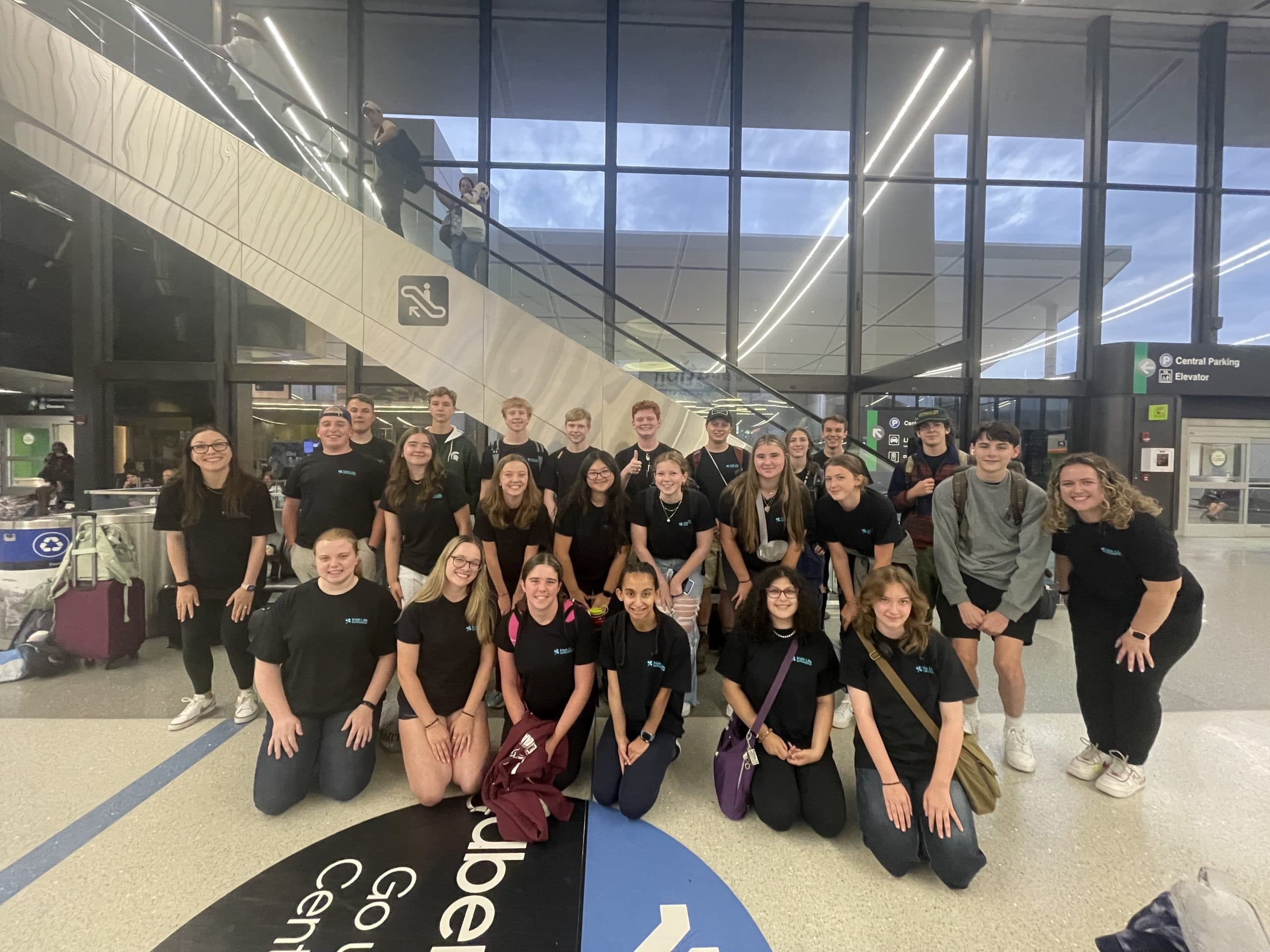
Teen summer abroad programs run $3,500–$8,000. What drives the price, what's left out, and the line-by-line cost of ILE's 25 days in Ireland ($6,050).
Read more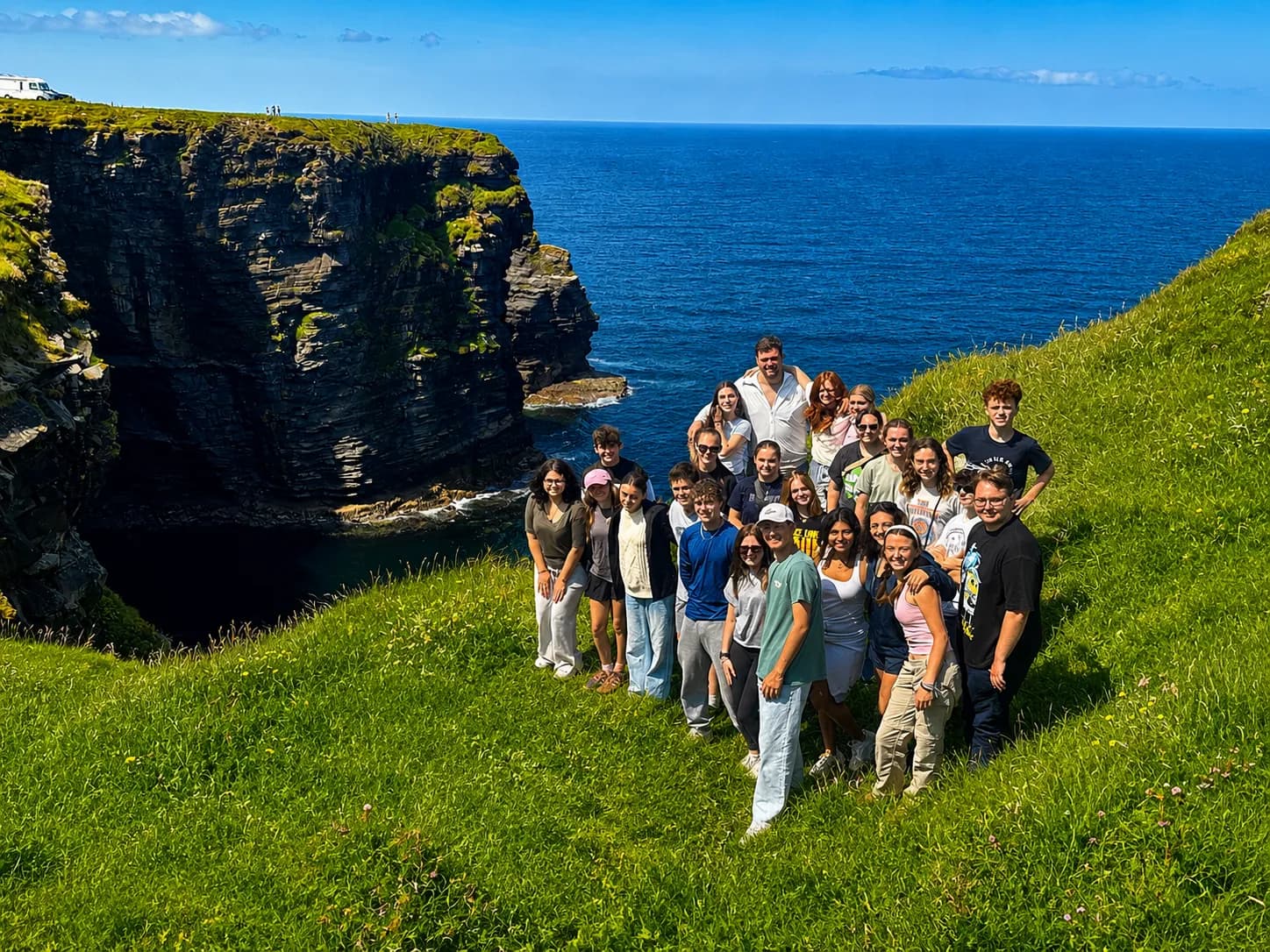
What to check before you pay a deposit, and how ILE's 25-day Ireland program works: ages 14–18, $6,050 from Boston, airfare included. Apply by April 1.
Read more