Is It Safe to Send My Teenager to Ireland Alone? A Parent's Honest Answer
· Taryn Harrison · 6 min read
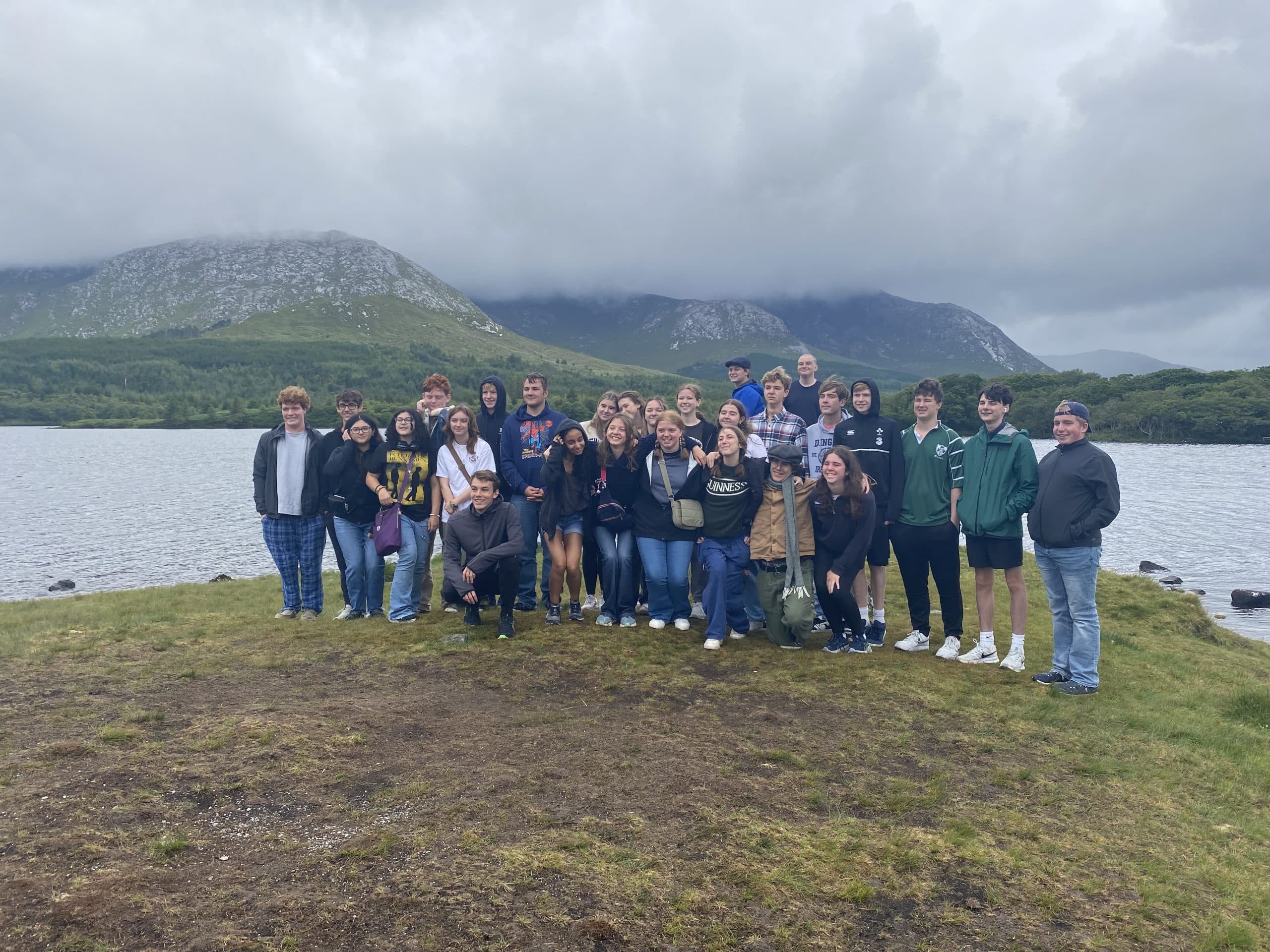
Yes — Ireland is one of the safest countries in Europe for a teenager, and English-speaking, which removes the most common source of trouble abroad. But the country is the smaller part of the answer. What keeps a 15-year-old safe for 25 days is the program: who is watching, how many of them there are, what happens at 2 a.m., and what the plan is when someone gets sick. The Irish Life Experience (ILE) runs a 7:1 student-to-staff ratio, keeps a staff member on duty around the clock, requires CPR and First Aid certification of every adult, and has done so every summer since 1998. This post explains the Ireland part briefly and the program part in detail, so you can ask any provider the same questions.
Download the 2027 Parent Guide, including the full safety protocols and a sample day.
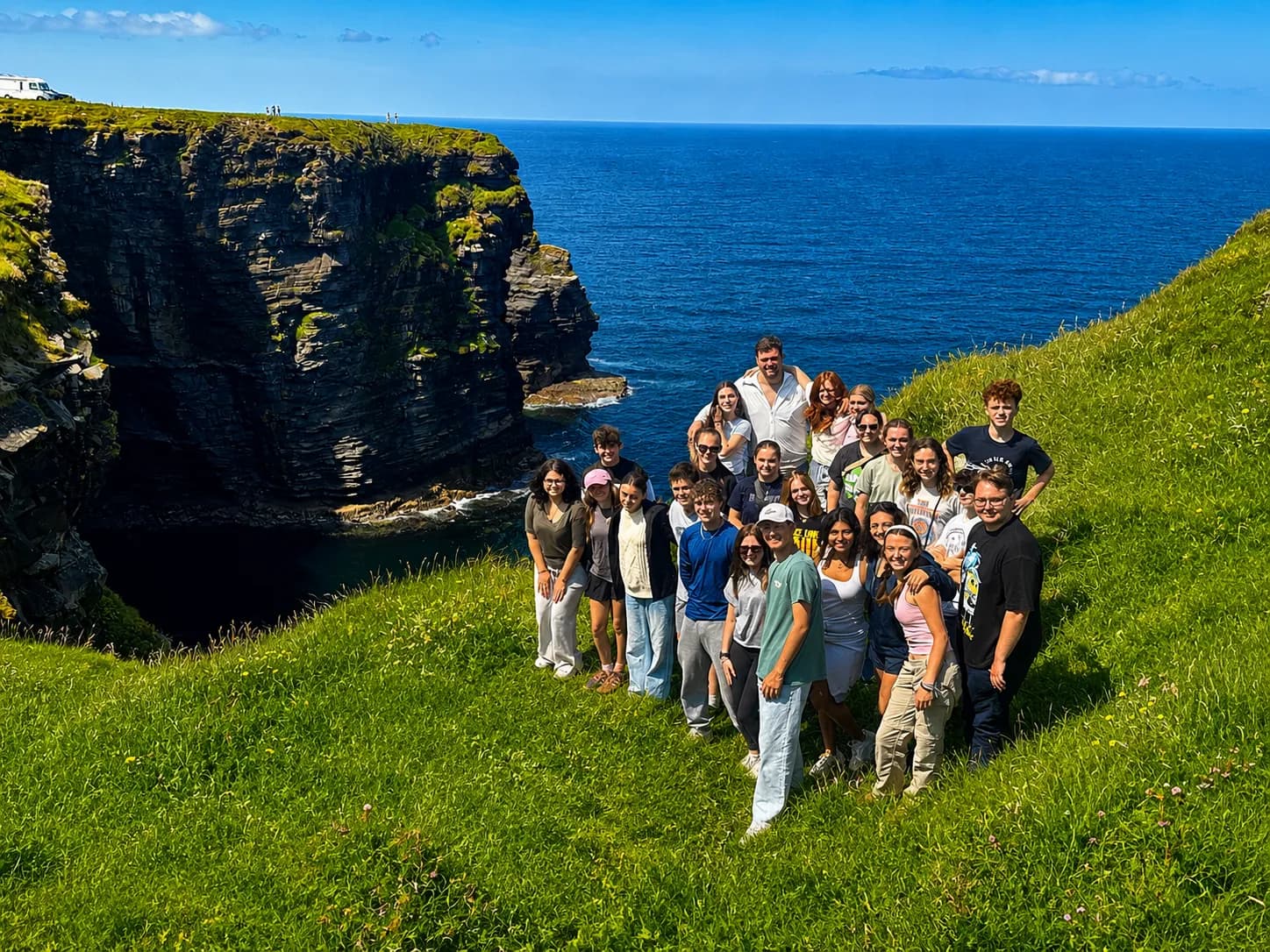
Ireland sits in the top tier of the Global Peace Index year after year, alongside the Nordic countries and New Zealand. The U.S. State Department rates it at its lowest advisory level. Violent crime is rare; the realistic risks for a visiting teenager are the ordinary ones — a lost phone, a twisted ankle on a cliff path, a cold — and those are program-management problems, not country problems.
Two Ireland-specific points worth knowing. Traffic drives on the left, so students are taught to look right first at every crossing on day one. And the sun does not set until after 10 p.m. in July, which is lovely and also why a firm curfew matters more than it would at home.
The program part: nine questions to ask any provider
These are the questions parents ask us most, with ILE's answers. Put the same nine to every program you are considering, and treat a vague answer as a no.
1. What is the student-to-staff ratio, really? ILE keeps 7:1. With 30–60 students, that means five to nine adults with the group at all times, not one chaperone and a bus driver.
2. Is an adult awake and on duty overnight? Yes. A staff member is on duty at all times, including overnight, at every residence. There is a bed check every night.
3. Who are the adults? Three groups. Coordinators are full-time ILE staff who have led student groups in Europe since 1998. Teachers are Irish educators (one is a Waterford primary-school teacher and All-Ireland piper who has taught on the program since 2014). Counselors are college graduates, most of them ILE alumni, with experience working with teenagers. You can read every one of their bios on the Meet the Team page; we publish one for each staff member every May.
4. What training do staff hold? Every staff member is CPR and First Aid certified, and all staff complete an emergency-response orientation before students arrive.
5. What happens if my child gets sick? There is a doctor near every residence. If professional care is needed, ILE arranges the appointment, a staff member stays with the student throughout, and the family is called the same day. Students must carry international health insurance (we check the policy before departure) and we suggest packing familiar cold medicine, since Irish brands differ.
6. How do I reach my child in an emergency? Every family receives the ILE Coordinator's mobile number before departure, for emergencies at any hour.
7. Is there a curfew and a behavior policy? Students must be on campus for dinner, in their rooms by 10:45 p.m., and lights out at 11:00 p.m. Each student and parent signs a Participant and Parent Release before the program. Breaking the rules results in a call home, suspension from activities, or removal from the program — and we have followed through on that.
8. Where do students sleep? Boarding-school residences in Waterford and Dublin, and supervised apartments in Killarney (Gleneagle) and Galway (Gort na Coiribe), with staff housed alongside. Rooms are shared with other ILE students. Details are on the Accommodations page.
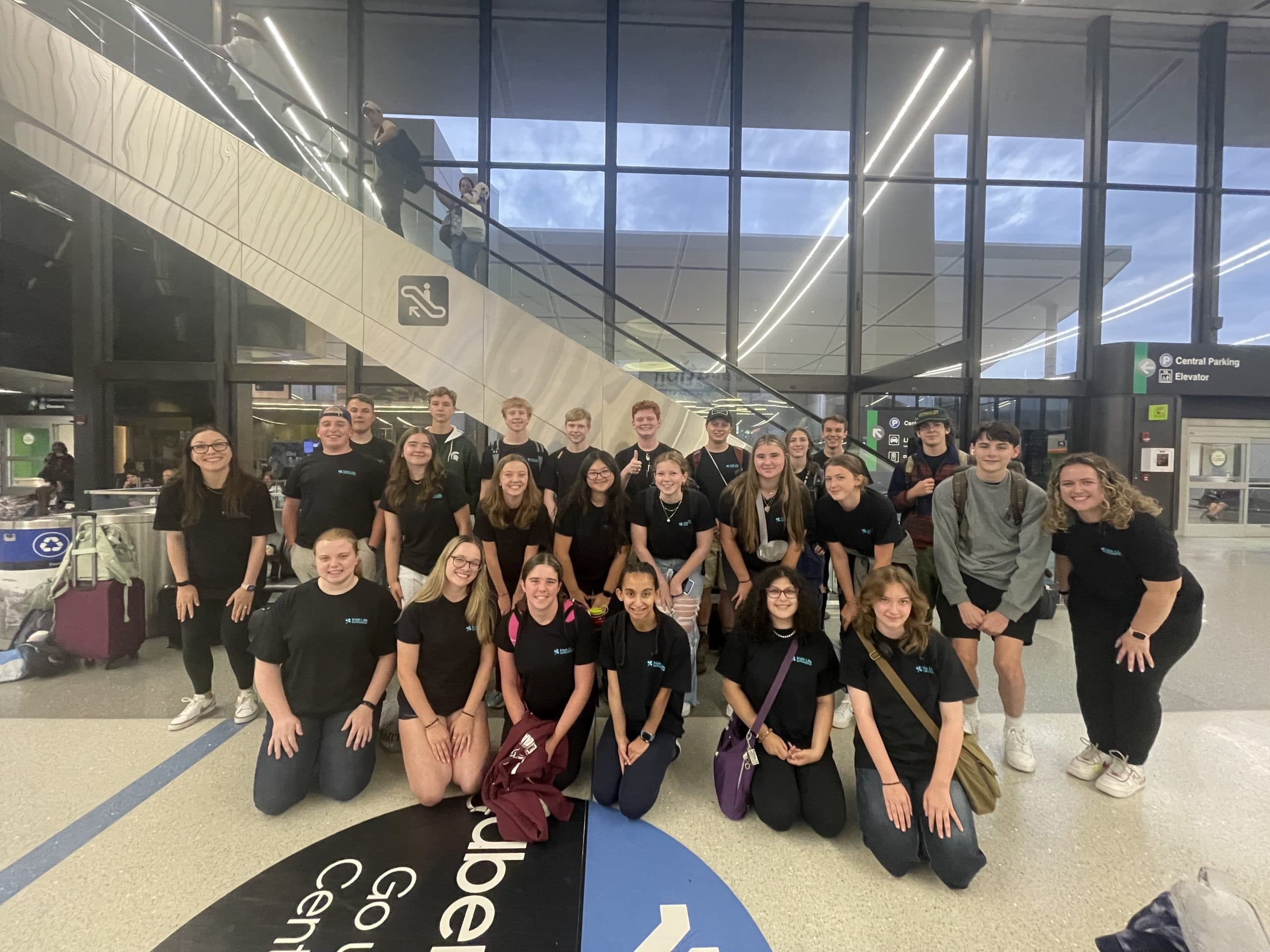
9. What about the airport? The group flies together from Boston on Aer Lingus. Students connecting through Logan from other cities are met after security by ILE counselors and walked to check-in, and met again on the way home. No student connects alone.
The question you really want to ask is probably "would you send *your* kid?" Ask Taryn directly — book a 15-minute call.
The things that are not safety risks but feel like them
Phones. Students can bring a phone; we recommend using it on Wi-Fi during free time rather than buying a $150 international plan. Your child will be busy. The first week especially, expect fewer messages than you want — that is a sign they are engaged, not a sign something is wrong. If you need them, the emergency line works.
Food. Campus meals are plain. In Killarney and Galway, roommates get a food allowance and cook. Dietary needs — vegetarian, vegan, lactose-free, allergies — are accommodated when declared on the application. Care packages are welcome and popular.
Free time. Students have supervised free time in each city to explore in groups, shop, and reflect. It is structured: a check-in location, a return time, and staff nearby. It is also where most of the growing-up happens.
Visiting relatives. Students with family in Ireland can visit them during free time with a signed permission slip and coordinator approval.
What 25 years of parents say
Peggy L. of Canton, Georgia, thanked "Irish Life Experience and Taryn for an amazing life-changing experience for my daughter." Sean K. of Seekonk, Massachusetts, wrote that it was "everything we could have asked for — and more." The pattern across the testimonials is not "nothing went wrong"; it is "when something came up, someone handled it and told us." That is the standard to hold any program to.
And you do not have to take our word for it. ILE publishes an Alumni Ambassador page with past students and parents you can email directly. Ask them the nine questions above.
Frequently asked questions
Is Ireland safe for American teenagers?
Yes. Ireland is consistently ranked among the safest countries in Europe, is English-speaking, and carries the U.S. State Department's lowest travel advisory level. The practical risks for a teen are ordinary ones that a well-supervised program manages.
What is the student-to-staff ratio on the Irish Life Experience?
7:1, with a staff member on duty at all times, including overnight.
Are the counselors trained in first aid?
Yes. Every ILE staff member must be CPR and First Aid certified and completes an emergency-response orientation before the program.
What happens if my child gets sick in Ireland?
ILE arranges a doctor's appointment, a staff member stays with the student, and parents are notified the same day. International health insurance is required for every participant.
Can I reach my child during the program?
Yes. Students use Wi-Fi to message home during free time, and every family receives the coordinator's mobile number for emergencies.
Does my teenager fly alone?
No. The group departs together from Boston Logan with ILE staff, and counselors meet students arriving on connecting flights.
Talk to a parent who has already sent their teen with us — the Alumni Ambassador page lists families you can email today. Or call 855-IRISH-LIFE and ask us anything.