
· Meet the Team
Meet James Stone
Meet James — a Waterford primary-school teacher and All-Ireland-winning piper who has been part of ILE since 2014.
Read more· Taryn Harrison · 7 min read
Summer programs in Ireland for high school students generally run two to five weeks, cost between $3,500 and $8,000 depending on what is included, and fall into four types: cultural immersion, academic or college-credit courses, adventure travel, and service trips. The Irish Life Experience (ILE) is a 25-day cultural-immersion program for students ages 14–18, running June 28 – July 23, 2027, priced at $6,050 with airfare from Boston included. This guide explains how the types differ, what to check before you pay a deposit, and what a summer with ILE actually involves.
Download the 2027 ILE Parent Guide (PDF): dates, pricing, a sample day, safety protocols, and how to apply.
Download the 2027 Parent Guide →Ireland removes the two things that make parents hesitate about study abroad: the language barrier and the distance. English is the working language everywhere, the flight from Boston is under seven hours, and the time difference is five hours, so a quick call home lands at a reasonable hour on both ends. Ireland also ranks among the safest countries in Europe in the Global Peace Index, and American teens are not a novelty there; the country has hosted U.S. student groups for decades.
For the roughly 30 million Americans with Irish ancestry, there is a third reason. A summer in Ireland is often the first time a teenager connects a family name to a real place: a county, a famine cottage, a hurling pitch. Parents consistently tell us that this is the part their child talks about years later.
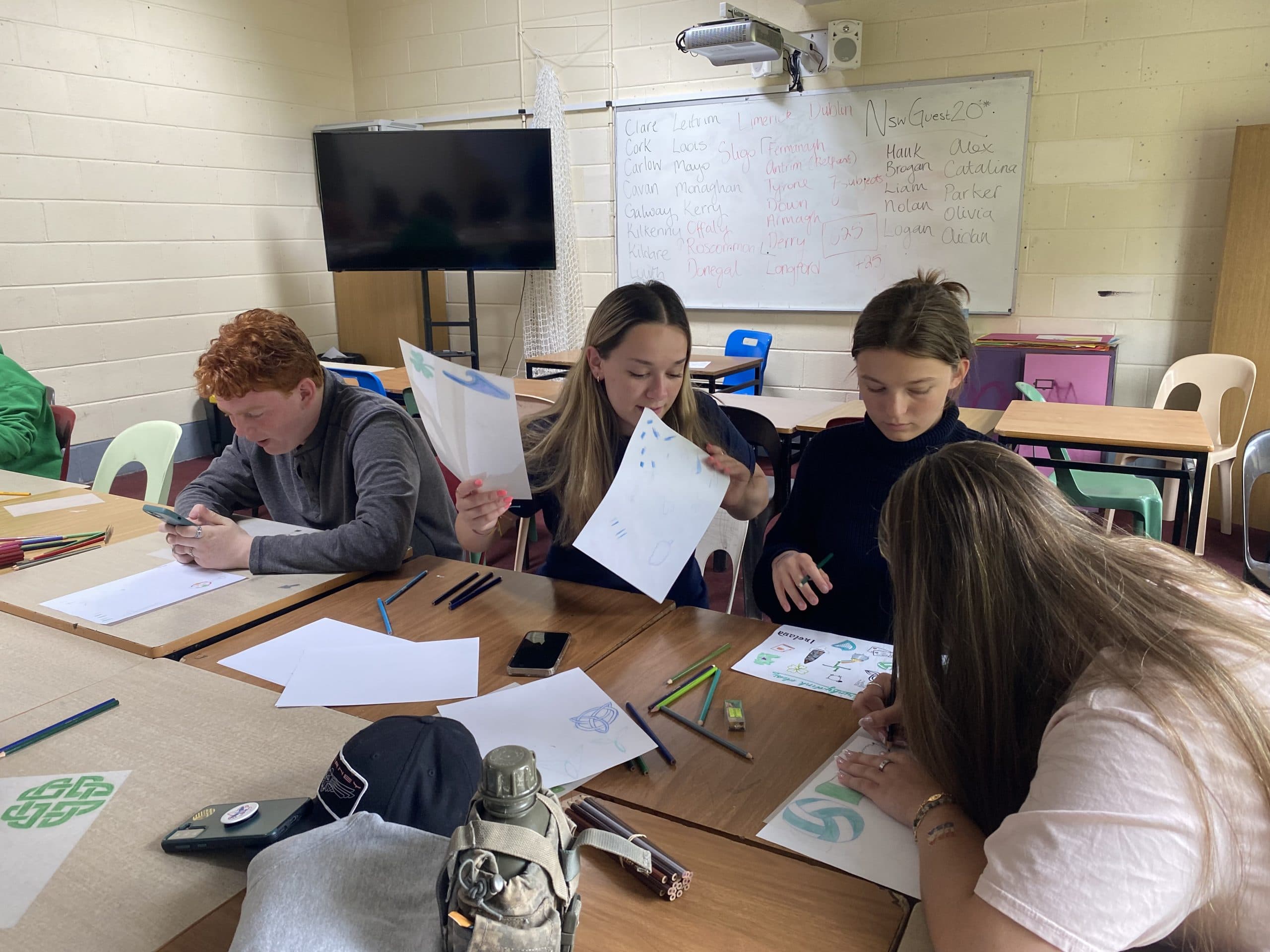
1. Cultural immersion programs are built around classes in Irish history, language, music, and dance, combined with tours across the country. Students live together on a campus and travel as a group. These suit a student who wants friends, structure, and a real understanding of the country rather than a tour-bus view. ILE is this type.
2. Academic and college-credit programs are shorter (10–20 days), run by a U.S. college or an agency like CIEE, and center on one subject — English composition, social justice, Irish studies. The credit can be useful; the trade-off is less of Ireland and more of a classroom. Suited to juniors who need a transcript line.
3. Adventure programs emphasize surfing, hiking, and kayaking, usually in Donegal, Sligo, or Kerry. Great for an outdoorsy student; light on history and culture.
4. Service-learning trips pair community work with travel. Rare in Ireland compared with Central America, and typically shorter.
Most families narrow to one type within a conversation. The question to ask your teen is simple: do you want to learn Ireland, earn credit, chase adventure, or give back?
Seven questions separate a well-run program from a brochure. Ask every provider all seven.
Have a question these seven don't cover? Book a 15-minute call with Taryn Harrison, ILE's founder, who has led the program since 1998.
Book a call with Taryn →ILE is 25 days across four bases — Waterford, Killarney, Galway, and Dublin — so students see the whole island rather than one city.
Mornings are classes: Irish language, Irish history from early AD to the present, Irish-American history, literature, dance, and drama. Classes are graded on attendance, participation, and three completed workshops, but they are built for summer: interactive, short, and taught by Irish teachers (one is an All-Ireland-winning piper who teaches primary school in Waterford).
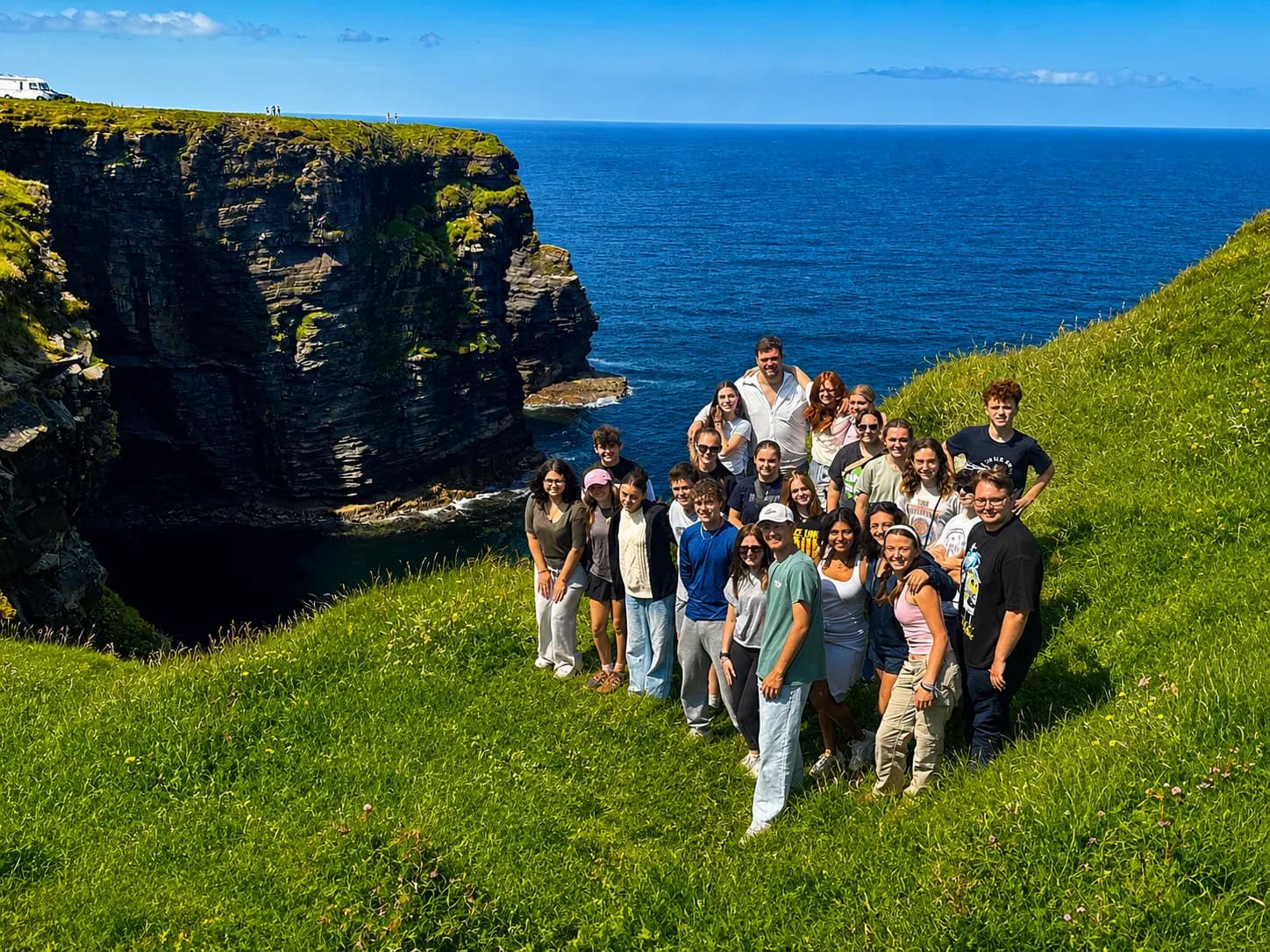
Afternoons and full days are tours. Over the program students visit more than 40 sites, including the Cliffs of Moher, the Aran Islands (where they practice their Irish with native speakers), the Giant's Causeway, the Ring of Kerry, Blarney Castle, Kilmainham Gaol, the Book of Kells, Titanic Belfast, and a live GAA match at Croke Park after a hurling workshop. The full list is on the Tours page.
Evenings are free time on campus, with dinner together and a bed check. In Killarney and Galway, roommates receive a food allowance and shop and cook for themselves — a small exercise in independence that parents mention often.
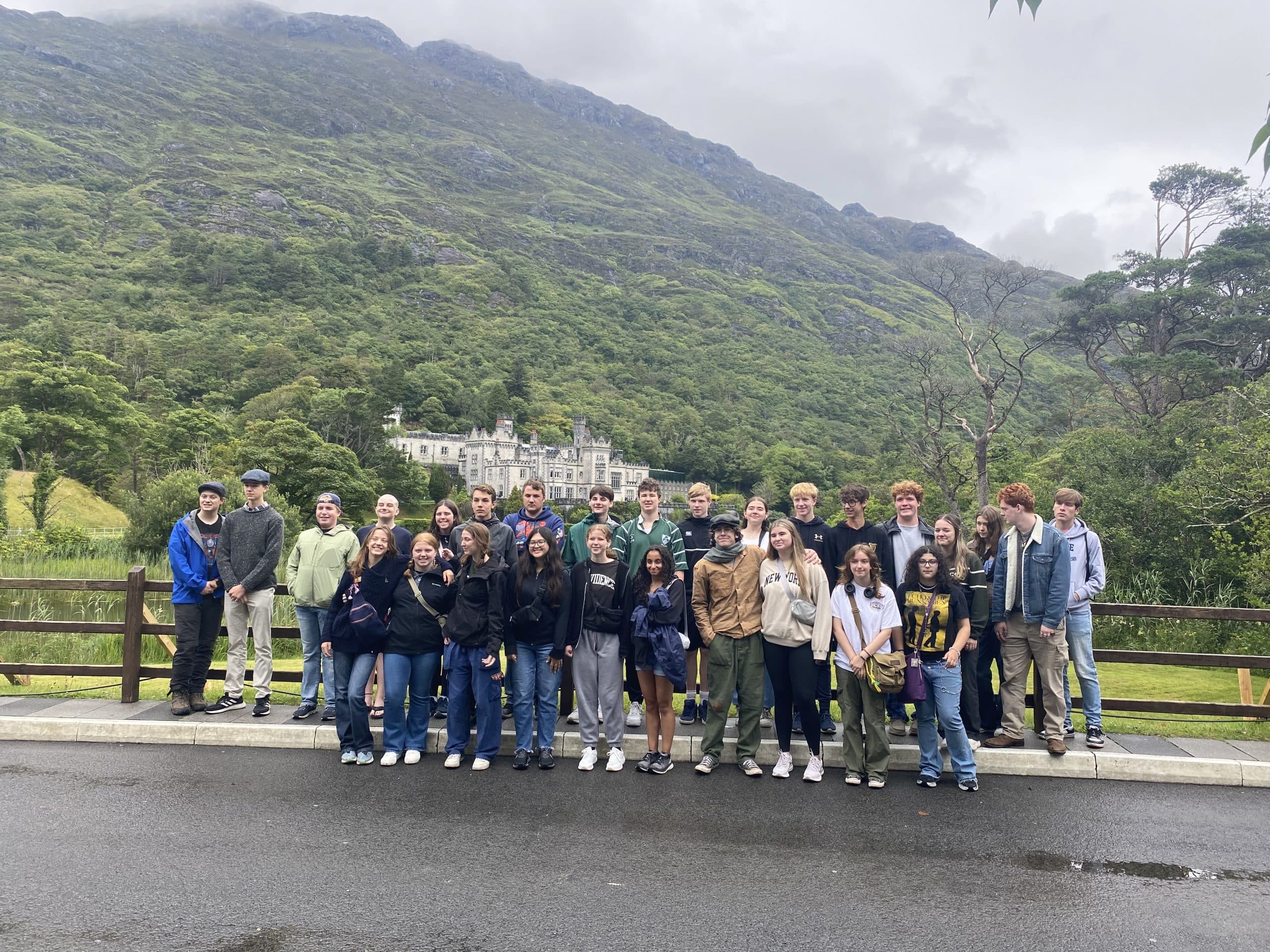
The group is 30 to 60 students from across the United States, with some from Canada and Europe. Most arrive alone and leave with the friends they will still have in college.
Read one day of it in a student's own words: Croke Park match diary · Aran Islands diary.
The 2027 program costs $6,050 if the application and full payment arrive before January 1, and $6,550 after that. A $600 deposit holds a place ($100 of it is non-refundable if the student is not accepted or the program is cancelled), $1,000 is due March 1, and the balance June 1. Credit-card payments carry a $140 processing fee. Budget $500–$700 in spending money. The final application deadline is April 1; after that, applications are taken only as space allows, at a higher fare.
Admission is competitive: the application includes questions for the student and the parents, a transcript, and written recommendations from a teacher and a counselor. Decisions take two to three weeks.
For a line-by-line breakdown and how ILE compares to a family trip or other providers, read How Much Does a Summer Study Abroad Program Cost?.
Parents cannot attend the program, but many meet their child in Ireland on July 23 and travel together for a week. ILE's sister company, Juniper Tours, offers a discounted family package timed to the program's end, and students often extend their own return flight (fare differences apply).
What age do you have to be for a summer program in Ireland? Most programs accept students 14 to 18. The Irish Life Experience accepts students who have finished eighth grade and are entering high school, through students who graduated high school just before the program begins.
Is airfare included in summer programs in Ireland? It depends on the provider. ILE includes round-trip airfare from Boston Logan to Ireland in its $6,050 price, and counselors meet students arriving on connecting flights at Logan and escort them to the Aer Lingus gate.
Do students need a passport? Yes. A U.S. passport valid for at least six months beyond the return date. Apply by January if your teen does not have one; processing can take eight weeks or more in spring.
How many students go on the Irish Life Experience? Between 30 and 60 each summer, supervised at a 7:1 student-to-staff ratio, with a staff member on duty at all times.
Can my child earn school credit? ILE issues a grade based on attendance, participation, note-taking, drama presentations, and three workshops. Whether your school awards credit for it is the school's decision; many do when provided with the syllabus and grade.
When is the deadline to apply? April 1, 2027. Apply and pay in full before January 1 to save $500.
Can my child visit relatives in Ireland during the program? Yes, during free time, with a parental permission slip and pre-approval from the ILE coordinators, as long as it does not conflict with classes or tours.
Summer 2027 runs June 28 – July 23. Spots fill before April 1, and a $600 deposit holds a place.
Apply for Summer 2027 →
Meet James — a Waterford primary-school teacher and All-Ireland-winning piper who has been part of ILE since 2014.
Read more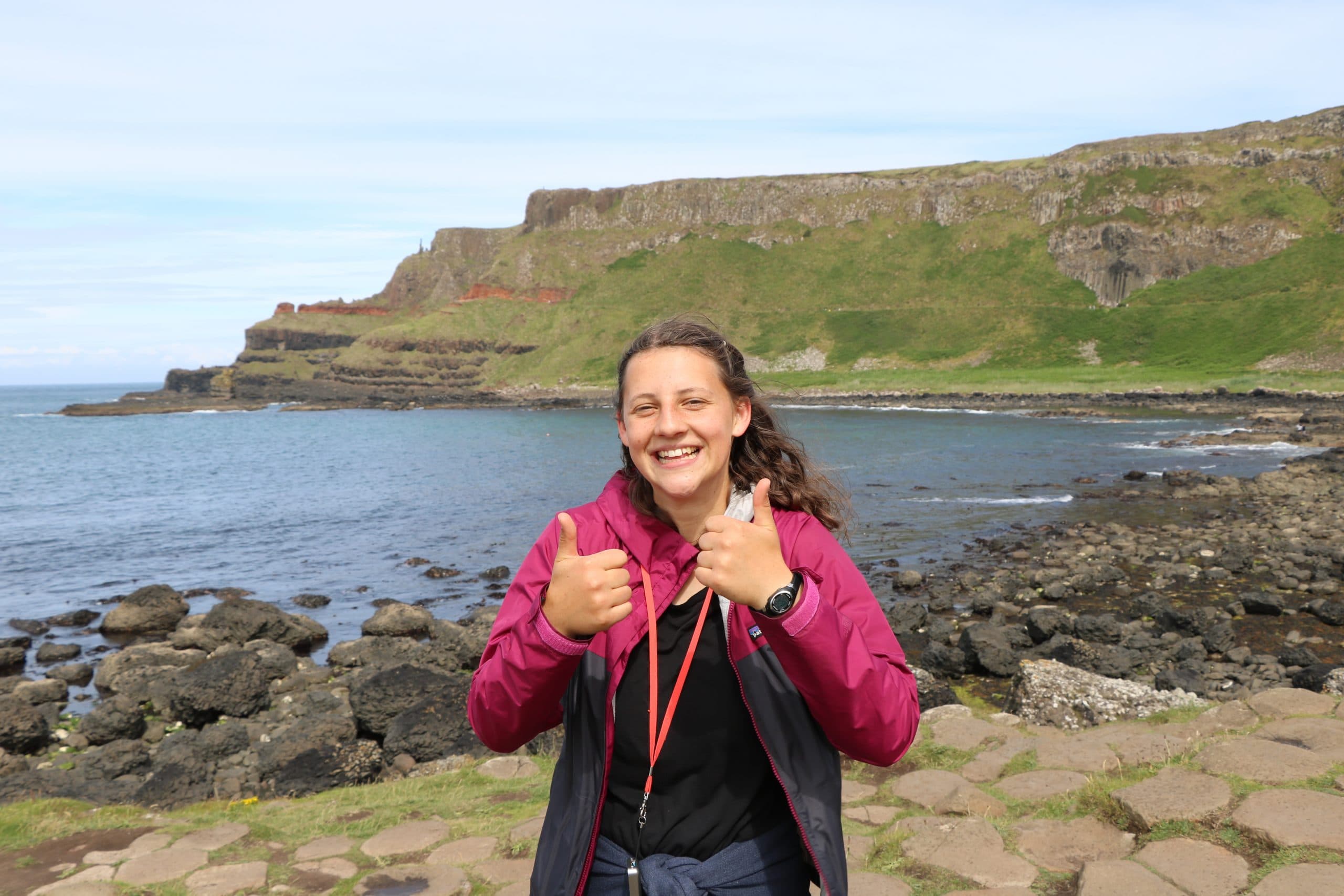
Natalie went on the program in 2022 and returns every summer — this year as your Irish-American History teacher.
Read more
Tyler did the program as a student and returns this summer for his fourth trip, and third as a counsellor.
Read more